Cultural roots and rituals Exploring the significance of casinos in society
The Historical Context of Casinos
Casinos have deep historical roots, tracing back to ancient civilizations where games of chance were often played in communal settings. In many cultures, these games served not only as entertainment but also as social rituals that reinforced community bonds. The Roman Empire, for instance, hosted various gambling games that were integral to their festivals, reflecting a broader societal acceptance of gaming as part of life. Finding the best canadian online casino today can connect players to this rich history.

As time progressed, casinos evolved into more structured establishments, particularly during the Renaissance in Europe. This period saw the emergence of the first formal casinos, which became centers of social interaction for the elite. The allure of wealth and the thrill of chance made these venues essential in the cultural landscape, promoting the idea that gambling was a sophisticated pastime.
The Role of Casinos in Modern Society
In contemporary society, casinos continue to play a significant role, acting as entertainment hubs that attract millions of visitors each year. Beyond mere gaming, they often offer a variety of experiences, including live performances, dining, and nightlife, making them multifaceted social environments. These establishments can serve as vital economic engines for communities, providing jobs and stimulating local businesses.
Moreover, casinos have become symbols of leisure and luxury, often associated with glamorous lifestyles. They foster social interactions, making them popular venues for celebrations, gatherings, and even business meetings. This social aspect underscores the importance of casinos in contemporary culture as spaces for both recreation and connection.
Cultural Rituals Surrounding Gambling
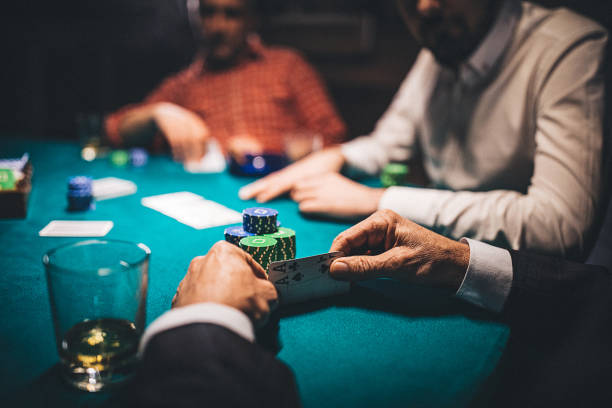
The act of gambling often carries with it a set of rituals that vary from culture to culture. Many people believe in luck and use various superstitions to enhance their gaming experience. Rituals can include wearing lucky clothing, performing specific actions before a game, or following particular routines when placing bets. These practices not only amplify the excitement of gambling but also create a shared sense of community among players.
In some cultures, gambling is intertwined with traditional celebrations and is seen as a way to honor ancestors or bring good fortune. These rituals reflect deeper cultural beliefs and values, making gambling more than just a game of chance; it becomes a means of cultural expression and continuity.
Responsible Gaming: A Cultural Shift
As awareness of gambling addiction has increased, so too has the emphasis on responsible gaming. Many casinos and organizations now implement practices to promote safe gambling behaviors, providing resources and support for players. This shift is crucial in ensuring that gaming remains a form of entertainment rather than a source of harm.
Education about responsible gaming practices has become a vital part of the casino experience. Initiatives include self-exclusion programs, informational resources, and staff training to identify and assist at-risk players. This cultural change highlights the growing recognition of the need for a balanced approach to gambling, ensuring that enjoyment does not come at the expense of well-being.
Exploring Online Casino Platforms
With the rise of digital technology, online casinos have emerged as significant players in the gaming industry. These platforms provide access to a vast array of games, often with the convenience of playing from home. However, the importance of cultural roots and responsible gaming remains paramount, even in this virtual landscape.
To ensure a positive experience, players are encouraged to engage with reputable online casinos that prioritize safety and responsible gaming. Comprehensive reviews and curated lists help players make informed choices, facilitating a gaming environment that respects cultural values while promoting enjoyable and safe gambling practices.
